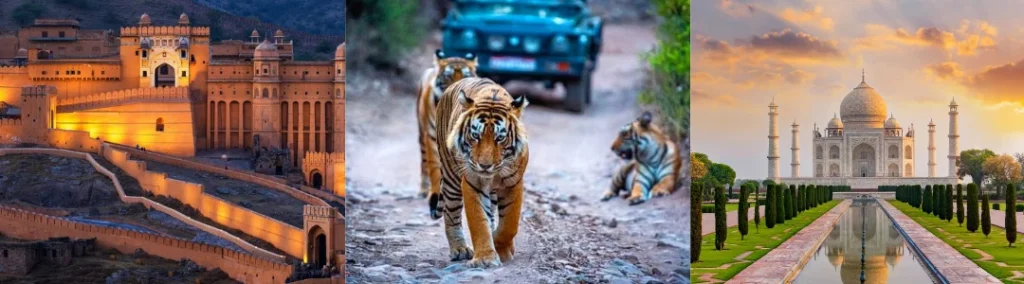

Agra is globally known for one monument, but India’s cultural soul cannot be captured in marble alone. Taj Mahotsav 2026 India’s heritage offers a deeper, more human connection to the region—one rooted in craftsmanship, music, food, and storytelling. Held every year near the Taj Mahal, this festival brings together rural artisans, folk performers, and culinary traditions from across India under one vibrant cultural umbrella.
As heritage tourism continues to grow in 2026, travelers increasingly look for experiences that feel authentic and meaningful. Platforms like Tripstro have recognized this shift, encouraging travelers to go beyond sightseeing and engage with living traditions. Taj Mahotsav is not just an event; it is a cultural ecosystem that reflects India’s diversity and resilience.
What Makes Taj Mahotsav 2026 a Cultural Landmark
Taj Mahotsav stands apart from commercial fairs because it focuses on preservation rather than promotion alone. The festival celebrates traditional Indian lifestyles that are slowly disappearing under modernization.
What truly defines Taj Mahotsav 2026 India’s heritage is its emphasis on people. Visitors interact directly with artisans, watch raw materials transform into art, and hear stories passed down through generations. This personal connection turns tourism into cultural exchange, creating memories that last far longer than photographs.
Taj Mahotsav History: Evolution of a Heritage Festival
The Taj Mahotsav History began in 1992 with a clear purpose—to revive traditional Indian arts and provide artisans with sustainable livelihoods. At the time, many crafts were on the brink of extinction due to industrial production and lack of market access.
Over the decades, the festival evolved into a nationally recognized cultural platform. By 2026, Taj Mahotsav has become a case study in heritage-based tourism, attracting cultural researchers, international travelers, and policy makers. This long journey adds credibility and depth to Taj Mahotsav 2026 India’s heritage, making it one of India’s most meaningful festivals.
Taj Mahotsav Location and Its Cultural Importance
The official Taj Mahotsav location has traditionally been Shilpgram, situated close to the eastern gate of the Taj Mahal. Designed as a traditional village-style complex, Shilpgram has long enhanced the rural authenticity and immersive cultural feel of the festival. For many years, visitors associated Taj Mahotsav with this familiar setting, where crafts, performances, and food stalls blended seamlessly into a village atmosphere.
However, Taj Mahotsav 2026 India’s heritage will mark an important change. Due to ongoing renovations at Shilpgram, the 2026 edition of the festival will be hosted at an open ground near the “I Love Agra” Selfie Point. While the venue has changed, the essence of the festival remains intact. The new open-ground location offers more space, improved crowd management, and better accessibility, ensuring that visitors can enjoy the same rich cultural experiences without compromise. This temporary shift also reflects the festival’s adaptability while preserving the spirit and continuity of Taj Mahotsav.
This location allows visitors to explore nearby heritage sites such as the History of Mehtab Bagh Agra, where Mughal garden aesthetics complement the festival’s cultural narrative. The geographical placement strengthens the emotional connection between monument heritage and living traditions, reinforcing the value of Taj Mahotsav 2026 India’s heritage.
Why is Taj Mahotsav Important for Agra?
Many travelers wonder, Why is Taj Mahotsav Important for Agra? The answer lies in economic balance and cultural identity. While the Taj Mahal draws millions of visitors annually, Taj Mahotsav ensures that tourism benefits local communities more evenly.
The festival generates seasonal employment, supports local transport and hospitality sectors, and provides artisans with direct income. More importantly, it reshapes Agra’s image from a single-monument destination to a cultural capital. In 2026, this diversification is critical for sustainable tourism growth tied to Taj Mahotsav 2026 India’s heritage.
Insights from Taj Mahotsav 2026 Dates & Theme
The Taj Mahotsav 2026 Dates & Theme bring renewed clarity and purpose to this iconic cultural festival. Scheduled to take place from February 18–27, 2026, Taj Mahotsav will once again transform Agra into a vibrant stage of art, tradition, and community expression. The officially announced theme, “India’s Heritage,” reflects a strong commitment to celebrating the country’s diverse cultural legacy in its most authentic form.
This theme builds meaningfully on earlier editions, where sustainability and artisan empowerment were central ideas. In 2026, the focus on India’s Heritage goes a step further by highlighting how traditional knowledge, regional crafts, folk performances, and culinary traditions continue to shape modern Indian identity. Visitors can expect curated storytelling zones, heritage-focused exhibitions, and interactive cultural experiences that connect the past with the present. By anchoring the festival within clear dates and a powerful theme, Taj Mahotsav 2026 India’s heritage positions itself as a timely and relevant cultural event. It acknowledges the need to preserve traditions while engaging younger generations and global travelers, ensuring that India’s living heritage remains vibrant in a rapidly evolving travel landscape.
Artisans, Handicrafts, and India’s Creative Economy
At the heart of Taj Mahotsav are the artisans. From marble inlay craftsmen of Agra to weavers from Varanasi, the festival showcases skills refined over centuries.
| Craft | Region | Cultural Value |
| Marble Inlay | Agra | Mughal legacy |
| Chikankari | Lucknow | Royal embroidery |
| Blue Pottery | Jaipur | Persian influence |
| Handloom Weaving | Varanasi | Ritual textiles |
Supporting these artisans directly strengthens Taj Mahotsav 2026 India’s heritage and contributes to India’s creative economy.
Folk Music, Dance, and Intangible Cultural Heritage
Beyond crafts, Taj Mahotsav preserves intangible heritage through music and dance. Evening performances feature folk traditions that rarely appear on mainstream stages.These performances are not choreographed for tourists; they are authentic expressions of regional identity. Experiencing them allows visitors to understand the emotional depth behind Taj Mahotsav 2026 India’s heritage.
Culinary Traditions and Regional Food Culture
Food plays a central role in cultural memory. Taj Mahotsav offers a curated selection of regional cuisines, each reflecting local history and climate.
| Dish | Region |
| Bedai & Jalebi | Agra |
| Dal Baati Churma | Rajasthan |
| Awadhi Kebabs | Lucknow |
| Mishti Doi | Bengal |
These flavors add another sensory layer to Taj Mahotsav 2026 India’s heritage.
Taj Mahotsav 2026 Ticket and Entry Fees
Understanding Taj Mahotsav 2026 Ticket and Entry Fees helps visitors plan responsibly.
| Category | Fee (Expected) |
| Adults | ₹50 |
| Children | ₹10 |
| Foreign Visitors | ₹150 |
Affordable access ensures the festival remains inclusive and community-focused.
Responsible Tourism and Sustainability Practices
In line with global tourism standards, Taj Mahotsav emphasizes sustainability. Plastic-free zones, local sourcing, and artisan-first revenue models reduce environmental impact. These practices align well with Tripstro’s focus on ethical travel and strengthen the long-term relevance of Taj Mahotsav 2026 India’s heritage.
Taj Mahotsav and North India Cultural Circuits
Many travelers use Taj Mahotsav as a gateway to broader experiences such as the Golden Triangle Tour with Holi, wildlife excursions to Keoladeo Bird Sanctuary, or historical deep-dives like Taj Mahal History In English. This integration makes the festival a strategic anchor for North India travel.
How to Plan Your Taj Mahotsav Trip Smartly
Planning a visit to Taj Mahotsav requires thoughtful timing and preparation. Visiting on weekdays allows travelers to explore artisan stalls calmly and engage in deeper conversations. Carrying some cash is helpful, as many craftspeople still prefer direct transactions. Accommodation in Agra fills quickly during the festival season, so booking stays early through Tripstro ensures better options and pricing. Evening hours are ideal, as cultural performances bring the festival to life after sunset, creating a more immersive experience of Taj Mahotsav 2026 India’s heritage.
Conclusion
Taj Mahotsav 2026 India’s heritage is a celebration of living culture in a world that often focuses only on monuments. It connects travelers with artisans, traditions, and stories that define India’s true identity. For those seeking meaningful travel, planning your journey with Tripstro ensures a deeper, more responsible experience. Taj Mahotsav is not just something you see—it’s something you feel, remember, and carry forward.
FAQ’s
What is Taj Mahotsav best known for?
It is famous for authentic crafts, folk arts, and cultural immersion.
Is Taj Mahotsav suitable for international tourists?
Yes, with English signage and guided assistance available.
How long should I spend at the festival?
One full day is ideal for first-time visitors.
Can it be combined with Taj Mahal sightseeing?
Yes, both are located close to each other.
Is photography allowed?
Yes, except in restricted performance zones.